One hundred people, present at the beginning.
$1,000 a year Membership dues. One hundred seats.
Dues are not an investment. They do not buy equity, ownership, profit participation, revenue share, or any financial return of any kind. They are not tax deductible.
You are joining a membership. Not buying a stake in a business.
We would rather you knew that in the first thirty seconds than the last. There is no equity here to buy — not for you, and not for us.
Land, structures, gardens, power, and the first business standing on it. This is what dues are for, and it does not exist yet.
Everyone who comes after arrives to something that already exists. The buildings will be standing. The systems will be running. The arguments will have been settled.
This group is the only one that will have been present for the founding — not told about it afterward, but inside it while it happened, watching decisions get made and helping shape them.
That is what a seat is. Not a position in a company. A place at the beginning of one.
You may see the phrase a collectively owned company in our materials. To be precise about what that means: no human being owns Immortal Glory. Ownership is held permanently by an irrevocable trust that exists to protect it. What is collective is the stewardship, not the ownership.
There is no equity, no exit, and nothing to sell — including for the twelve.
The trust's beneficiary is the association. The association pays no one and distributes nothing to individuals. It exists for the purpose, not for profit.
The trust also has a protector — a role that exists to hold the trustees accountable to its purpose. Two of the twelve serve as trustees. A third serves as protector, and his job is to watch them.
The operating company is a for-profit business, and its purpose is also fixed: profits are channelled back into growing the business and into funding the mission — establishing real physical communities and creative hubs. They do not leave the structure.
This is the part worth reading twice. It is the answer to the question most people are too polite to ask, which is what the twelve stand to gain. The answer is the same thing you do. Nobody can cash out, because there is nothing to cash out of.
Dues fund the buildout. Specifically:
Dues are held by My Brother's Keeper Private Membership Association and kept separate from Immortal Glory retail revenue. Members receive [quarterly] reporting on how funds were deployed.
No fewer than two dispatches a month, unedited, for the duration of the buildout. Each of the twelve reports from their own seat once a quarter — their work, their obstacles, their reversals. Planning sessions, interviews, testimonies. The version without the polish.
This is the thing we are least comfortable giving, which is how we know it is worth giving.
Members vote monthly on open decisions and action items — what gets built, what gets prioritized, what gets tabled. Members serve as advisors to the twelve, who hold final authority.
The part that matters more than the vote: every decision comes back to you with the reasoning attached, including the ones that went against the room, and why.
Trusts, associations, operating structure — what we are building, why we chose it, and what it cost us to learn. Shared as we learn it, in the same detail we use ourselves.
Members apply this to their own situations. That is the intent. It is an account of our decisions, not legal or tax advice, and it is no substitute for your own counsel.
Quarterly gatherings, in person, at cost. Members cover their own expenses. We cover ours. Nobody profits on the gathering.
[Location and expected cost — to be announced]
On everything Immortal Glory makes — apparel, art, music, workshops, courses.
Members submit what they know, who they know, and what they can do. That register is live and referenced when the association needs it. Contribution beyond dues is welcome and never required.
You are being asked to believe two things at once: that this is worth building, and that we are the people to build it.
The second is the harder ask, and it deserves more than a mission statement.
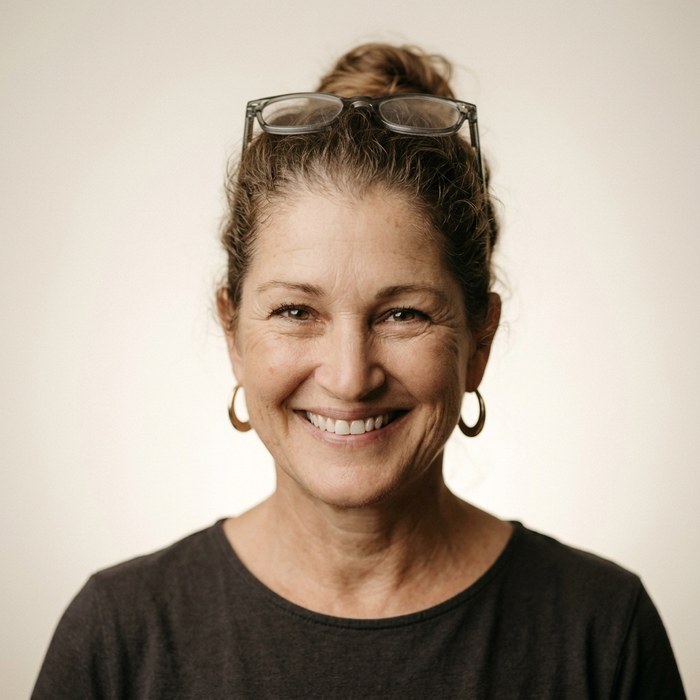
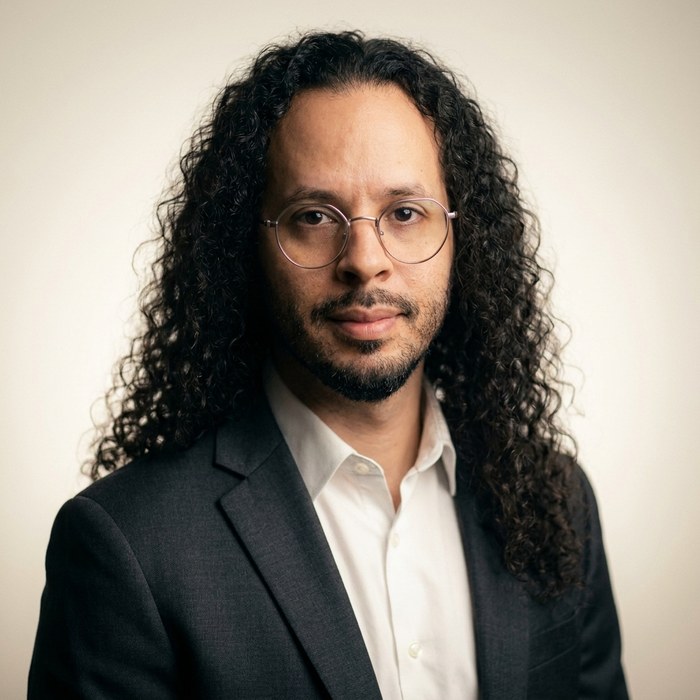
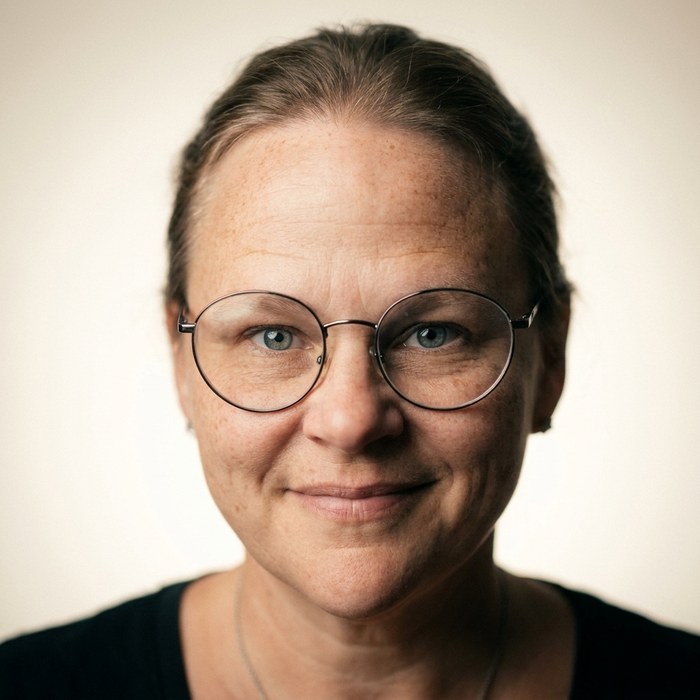
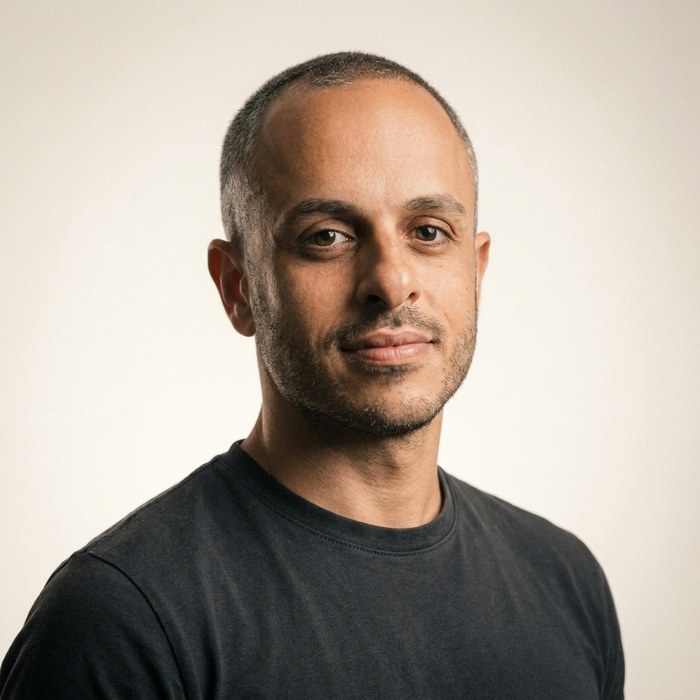
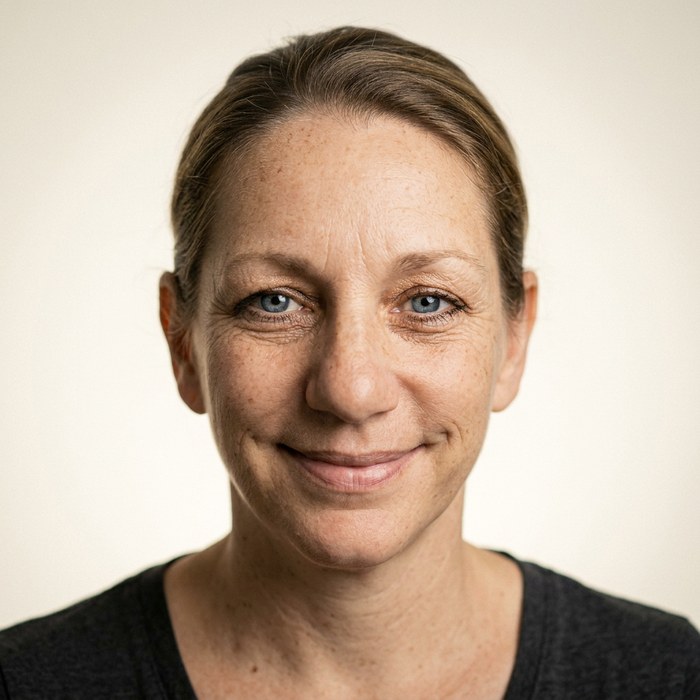
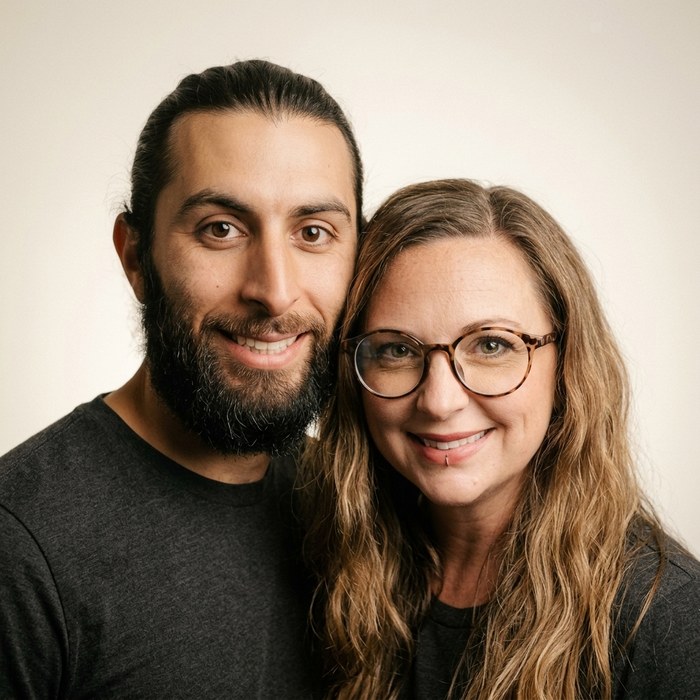
Twelve seats at the roundtable, each with a function.

Daniel David & KeylaPublic relations, and trustee
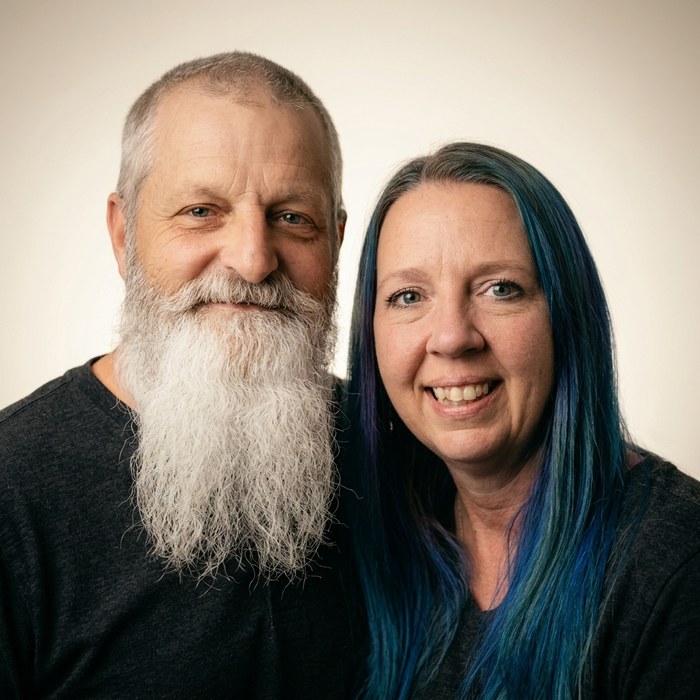
Snapp & ChayAsset management, and trustee
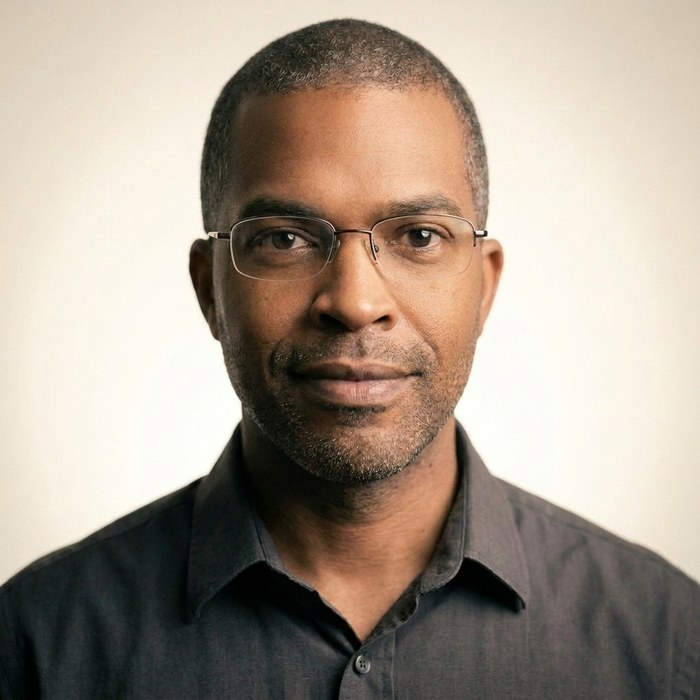
JosephTrust protector — systems efficiency and implementation
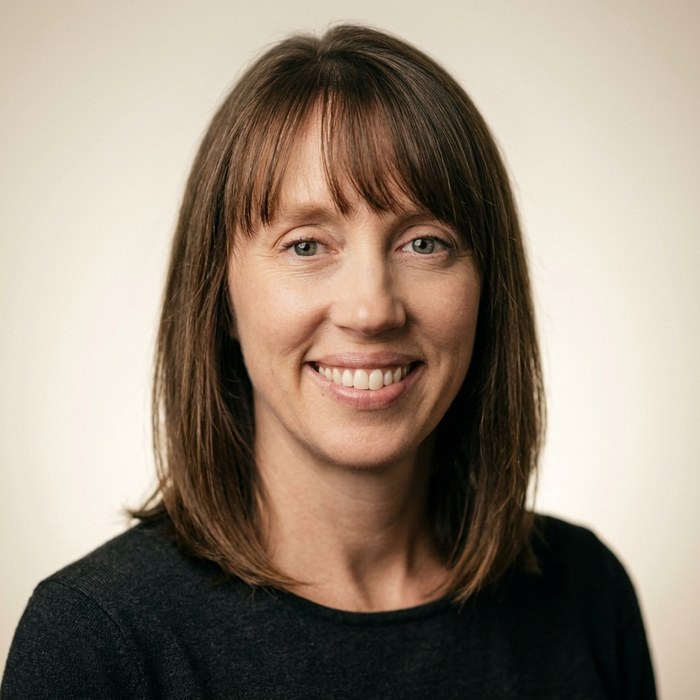
NikkiDirector of operations
AngelaBusiness strategy
ReynielFund management
KandraIntegrations and automation
ChristianResource optimization
CarolMerchandise and marketing
Hawk & DeannaScheduling and event coordination
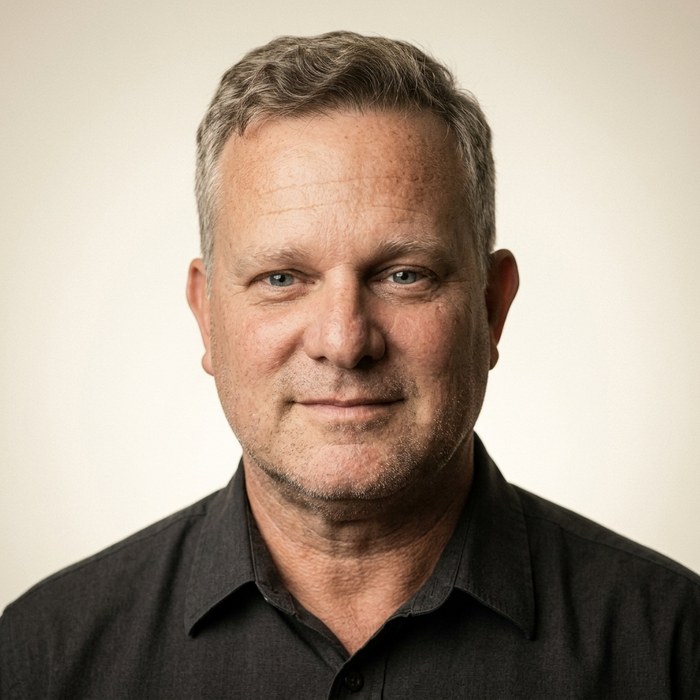
RobertHuman relations
Paul & SusanMusic ministryMany at the table are married. Partners who want a voice in the discussion have one. The couple deliberates, and the seat holder casts one vote for the household.
One hundred seats. We read every application and we do not accept everyone — a body that votes together should be chosen, not just collected.
Tell us who you are and what you would bring. If it is a fit, we will reach out with the member agreement, the plans, and a conversation before anyone pays anything.